Are You Getting The Most Of Your Cheap Espresso Machine?
How to Choose a Cheap Espresso Machine Water that is at the right temperature and pressure is needed to extract the flavor of coffee ground. A quality espresso machine with these features could cost as much as $5,000. It is possible to enjoy the taste of espresso even on a budget. Here are some suggestions for choosing the best cheap coffee maker. Cost If you're looking to get started with making espresso, a quality espresso machine isn't a cheap investment. Depending on the kind of machine you choose you could spend anywhere from $2,000 to $4,000. This includes the cost of an espresso maker that is manual grinder, grinder and coffee beans. Machines called capsules or pods cost the least, while semi-automatic espresso makers and automated espresso machines cost between $150 and $500. It is essential to conduct some research before choosing the right espresso maker. If you're a complete beginner, choose a manual machine that has an easy-to-use dial and steam wand. You can play around with the settings and observe how they affect the flavor. Dual boiler models are great for those who love espresso and want to prepare espresso as well as steam milk simultaneously. However, this kind of machine is typically more expensive than single-boiler models. When it comes to cost, you should take into consideration how often you make use of the espresso maker and the kind of drinks you will be making. If you want to make cappuccinos or lattes every day, it might be worth investing in an automatic steamer that can warm the water to a suitable temperature and then do the work for you. However, if you just take a cup of espresso once or twice each week it could be the better option to cut down time and effort. The latest machines make it possible for even less experienced espresso drinkers to enjoy this hobby. For example the Coffee Gator Stilosa offers impressive brewing power and consistency for less than $500 which makes it one of our top choices for budget espresso machines. The entry-level model is still excellent, even though it lacks the sophisticated features that our more expensive models have, such as a digital PID for controlling water temperature or a high-quality wand of steam. The Espresso Gator heats up fast, so you can enjoy your coffee in less than 10 minutes. Capacity If you're planning to make top-quality espressos at home, it is essential to choose a machine that has an effective pump and a steam wand. It must also have an ample reservoir for water and a removable water tank. These features will help you save time and effort while making your favorite coffee. It is also important to consider the frequency of use. For instance, if your only require a quick shot of espresso once or twice a week, a smaller portable model could be adequate. On the other hand when you plan to use the machine for parties and other gatherings, a larger model might be better. A quality espresso machine should produce a strong stream of hot water that can steam milk to produce smooth foam that is creamy. It should also have a built-in thermometer to ensure that the water is at the right temperature for brewing. This is particularly important when making cappuccinos or lattes, which require hot water. Some espresso machines that are cheap offer a high level of pressure, but it's not necessarily an ideal thing. Too much pressure can cause over-extraction and bitter taste in the espresso. This is why most espresso machines are rated at 9 bar of pressure, and not more. The most affordable espresso machines offer a high level of consistency, control, and durability. These qualities are essential in a café setting where baristas prepare hundreds of drinks each day. The majority of machines that are cheap aren't as durable or reliable as higher-end models, but they can still be useful for a longer time if you follow maintenance guidelines. If you prefer the classic, manual style of making espresso, an espresso maker that is manual can be a good option. Wacaco Picopresso for instance, is a small hand-powered machine that uses a piston in order to create the high pressure required for a perfect espresso. The Picopresso is available in a variety of sizes, from one cup to 18 cups sizes and can be used on almost every stove including ceramic and induction cooktops. It is also great for camping and travel. Design A less expensive espresso machine will not have a lot of bells or whistles but it should still be able to create decent shots. In most cases, the differences between cheaper machines and those that cost more depend on temperature stability (or repeatability) and convenience features. Many espresso makers make use of pressure and heat to extract espresso from coffee beans. Most espresso machines are designed to create an ideal pressure between 8 and 15 bar. Pressure is generated through steaming hot water to fill the boiler. The higher the pressure, the more intense the extraction. A good espresso maker should be able to consistently deliver this level of pressure. Maintainability and ease of use is another crucial aspect when choosing a budget coffee maker. The design of an espresso machine may influence how simple or complicated it is to operate and clean. Some machines, for example are equipped with parts that can easily be cleaned in a machine. This makes cleaning easier than if it were one machine. Other machines require more effort to clean and operate. Some machines require manual flushing with hot water in order to remove residue. This is particularly true for older espresso machines. The design of the espresso machine may affect how easily the water reservoir is filled and how quickly it heats. A reliable, low-cost machine is one that has an easy-to-use interface and sufficient features to satisfy the requirements of the majority of customers. It should be easy to maintain and repair. Many budget espresso machines include a manual that can help users troubleshoot common problems. 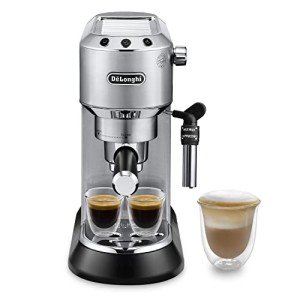 We looked for espresso machines that offered a variety features and settings. We were looking for machines that appeal both to experienced and novice espresso drinkers. We also considered the amount it would cost and whether or not it came with a built-in grinder. We tested a prosumer model from Lelit which is now owned by Breville. This model is often referred to as a semi-professional espresso maker, and is essentially a smaller version of the most sought-after commercial espresso machines. The Pro X is stylish and powerful however, it's not as precise as the other models we tried. The following are some examples of There are a myriad of doodads, nick knacks and thingsamajigs to take into consideration when shopping for an espresso machine. Finding out which ones are the most important can be a challenge especially when you're spending hundreds of dollars. To make the process easier start by imagining how often you'll use the machine. In general, a machine that is frequent use will require to be built more robustly. This is due to the fact that continuous drinking can lead to mineral buildup, which can cause the steam wand and the water pump to wear down faster than it would normally. This is the reason that most espresso machines on the market are constructed with lower-quality metal to lessen the chance of these issues. Another thing to think about is whether you'd like an automatic or manual machine. The manual machine is more difficult for beginners to use. Automated machines have dual boilers that brew and steam simultaneously which is beneficial for making cappuccinos or lattes. They can be difficult to use and require more maintenance. A manual espresso maker, such as the De'Longhi Stilosa, is a ideal choice for those who are on a budget. It has a pressurized hopper that can be used with coffee ground prior to grinding and includes a regular basket that can be transformed into a bottomless. It comes with a portafilter that is removable that is easy to clean and has a easy-to-use interface. One drawback is that it does not include the steam gauge, however If you don't drink enough milk-based drinks to warrant the expense of a dedicated steamer, this isn't a big issue. It's also noisy, but is still less expensive than other models of this type. The Nespresso Mini Essenza is a top espresso machine for a fair price. It's a jack of all trades, able to produce both espresso and non-espresso in sizes that range from 0.84 to 1.35 fluid ounces. just click the following page 's not the strongest of espresso machines, however it's an efficient and reliable model that will last for many years. It comes with a powerful steam wand, however that could be a problem for some users.